Yes No Share to Facebook
Construction & Renovation: Contractor Disputes Including Workmanship Quality Concerns, Among Other Issues
Question: What are common legal disputes affecting contractors?
Answer: Lawsuits related to unpaid work often lead to counterclaims about the quality of that work. With the complexities of construction law, navigating these disputes can be challenging without legal support. Debly Law provides comprehensive guidance tailored to construction-related issues, ensuring you have the assistance needed to protect your interests throughout the process.
Common Disputes Affecting Contractors
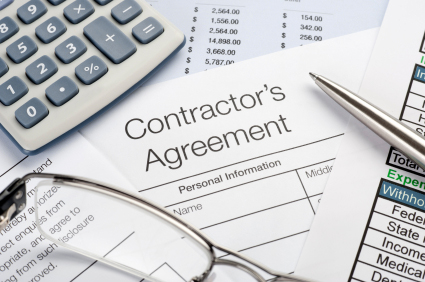 Court disputes between a property owner and a contractor hired for a construction or renovation project frequently arise. In some courts, especially the Small Claims Court, cases involving contractors and homeowners are prevalent. In such cases it is common that a property owner will accuse a contractor of poor quality work; and in turn, the contractor accuses the property owner of failure of payment.
Challenges
Construction law cases can be very challenging to litigate due to the extent of laws involves as well as the extent of evidence usually involved and the need for independent witnesses to inspect and provide expert reports as to what constitutes as proper workmanship and thus whether the trade standards or the contractual specifications for the project were met, valuation of the portion of work properly completed, among other things; and accordingly, even the seasoned legal professional may find construction law cases as burdensome to litigate. These cases are often extra challenging and troublesome due to the conduct of the parties involved and breach of various legal duties occuring prior to the obtaining legal advice.
Furthermore, lawsuits involving construction or renovation projects commonly include legal issues that go beyond defective workmanship issues and may also include concerns such as unjust enrichment, consumer protection laws, failures to mitigate, among other concerns.
Learn More About Construction & Renovation...
Here are links to six (6) other webpages:
NOTE: A significant number of online searches featuring “lawyers near me” or “best lawyer in” typically signify a pressing requirement for competent legal assistance rather than a particular professional designation. In Ontario, “licensed paralegals” fall under the regulation of the same Law Society that governs lawyers and possess the authority to represent clients in specified litigation issues. Skills in advocacy, legal analysis, and procedural proficiency are fundamental to this position. Debly Law provides legal representation within its licensed framework, focusing on strategic positioning, preparation of evidence, and compelling advocacy aimed at attaining effective and favourable outcomes for clients.